Top 10 Resume Mistakes to Avoid in 2026: Get More Interview Calls
Are you applying for jobs but not receiving interview calls? Have you submitted your resume to multiple companies but received no response? If yes, it may be time to review your resume.
Your resume is one of the first things recruiters check when you apply for a job. It helps them understand your education, skills, work experience and suitability for the position. Even if you have the right qualifications, common resume mistakes can make it difficult for recruiters to identify your strengths.
The good news is that you do not need an expensive resume template to make a strong impression. A clear, professional and job-focused resume can help you present your qualifications more effectively.
In this guide, we will discuss the top 10 resume mistakes to avoid in 2026 and explain how to fix them with simple, practical tips.
Why Is a Good Resume Important?
A resume introduces you to a potential employer before your interview. Recruiters often review many applications for a single position, so they need to identify relevant information quickly.
A well-written resume highlights your strengths, shows your relevant experience and makes your qualifications easy to understand. Some companies also use Applicant Tracking Systems (ATS) to organise and screen applications.
Therefore, your resume should be easy to read, relevant to the job and free from unnecessary information.
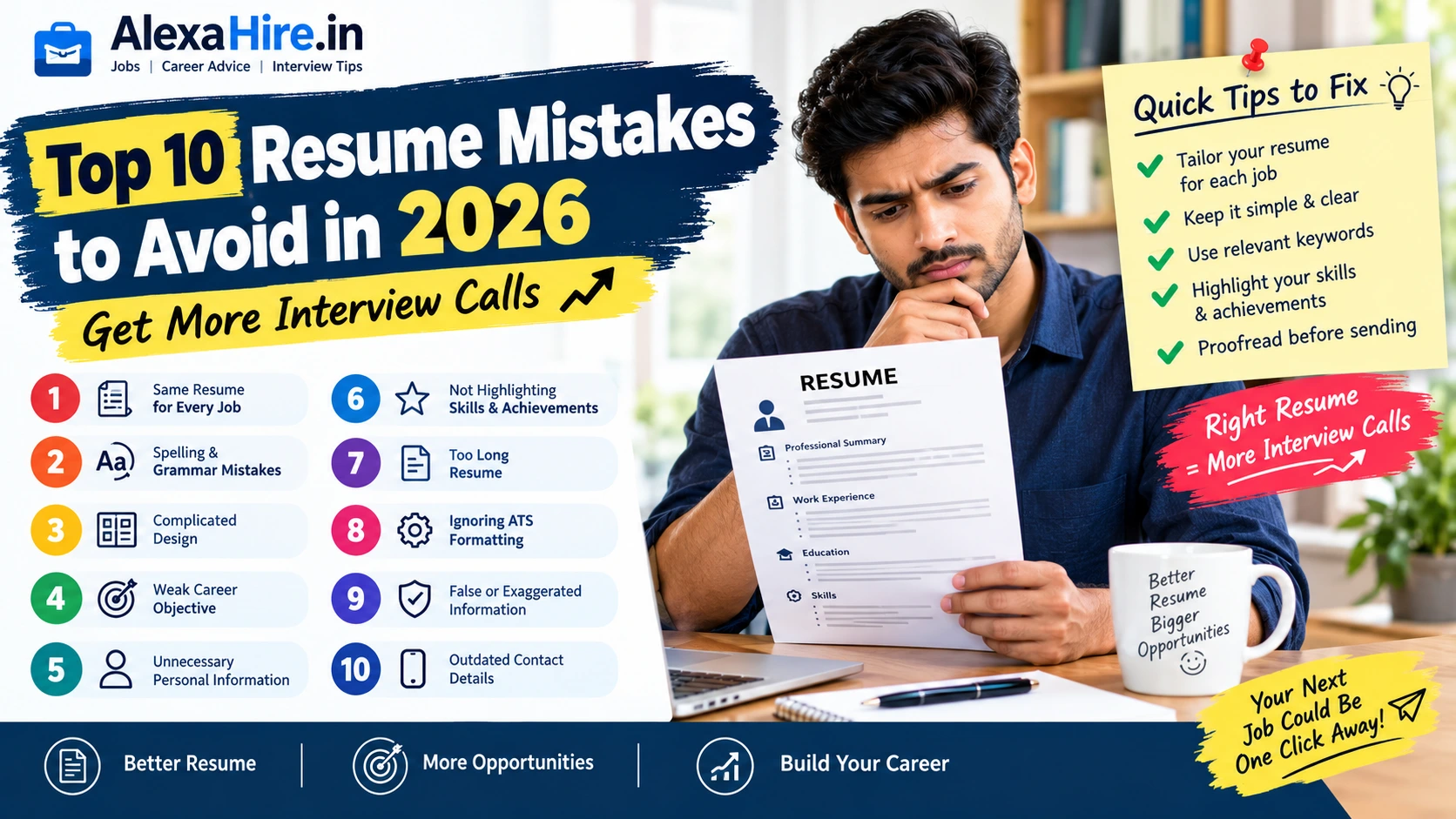
Top 10 Resume Mistakes to Avoid
1. Using the Same Resume for Every Job
One of the most common resume mistakes is sending the same resume to every company without making any changes.
Different jobs require different skills. For example, a customer support position may require communication and problem-solving skills, while a software developer role may require programming knowledge.
How to fix it:
- Read the job description carefully before applying.
- Highlight the skills relevant to the position.
- Adjust your professional summary according to the role.
- Mention relevant projects, certifications, and experience.
A customised resume helps recruiters understand why you may be suitable for their particular vacancy.
2. Spelling and Grammar Mistakes
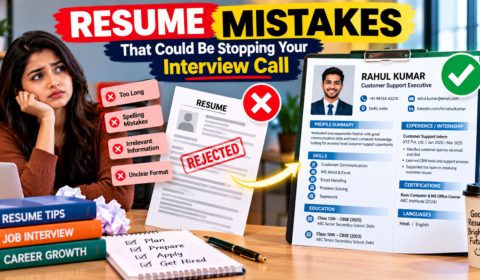
Spelling errors and incorrect grammar can make your resume look unprofessional. They may also make important information difficult to understand.
For example, writing “good comunication skill” instead of “good communication skills” can create a negative impression.
How to fix it:
Read your resume at least twice before submitting it. Use a spell-checking tool and ask someone to review it if possible. Check company names, job titles, dates and contact information carefully.
3. Using a Complicated Resume Design
Creative resume designs may look attractive, but excessive colours, graphics, icons and multiple columns can make important information harder to read. Some designs may also cause problems when an Applicant Tracking System extracts information.
How to fix it:
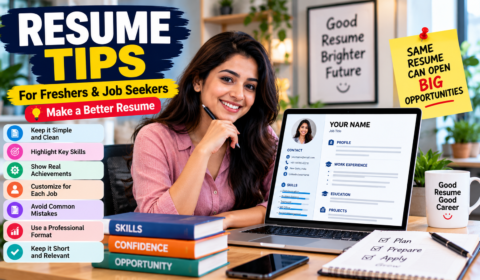
Use a simple, professional layout with clear headings such as:
- Professional Summary
- Skills
- Work Experience
- Education
- Projects
- Certifications
Choose a readable font and maintain consistent spacing. Prefer a simple, text-based layout when applying through online recruitment portals.
4. Writing a Weak Career Objective
Many candidates use generic career objectives such as “I want to work in a reputed company where I can improve my skills.”
This statement does not explain which role the candidate wants or what they can contribute.
How to fix it:
Write a short, specific objective that matches your qualifications and target position.
Example for freshers:
“Motivated commerce graduate with knowledge of MS Excel, communication and basic accounting, seeking an entry-level finance or office administration role.”
Only mention skills you genuinely possess. A relevant professional summary can also be used instead of a career objective.
5. Adding Unnecessary Personal Information
Your resume should focus on information relevant to the job. Long family details, unrelated hobbies and unnecessary personal information take up valuable space.
How to fix it:
Include your name, phone number, professional email address, city and relevant professional links. Add other personal details only when the employer specifically requests them or they are genuinely relevant.
In most cases, your father’s name, marital status and full residential address are not necessary for a modern professional resume.
6. Not Highlighting Skills and Achievements
Simply listing your responsibilities does not always show the value you can bring to a company.
For example, writing “Responsible for managing customer queries” provides limited information about your contribution.
How to fix it:
Highlight specific achievements, results and responsibilities. Where possible, use genuine numbers to explain your contribution.
For example:
“Handled customer queries, maintained service records and supported timely resolution of customer complaints.”
If you have measurable results, include them only when they are accurate and can be explained during an interview.
Freshers can highlight academic projects, internships, practical training, volunteering and relevant certifications.
7. Making Your Resume Too Long
A resume that contains every detail of your education and career can make it harder for recruiters to find the most important information.
However, making a resume too short can also be a mistake if it leaves out relevant experience or achievements.
How to fix it:
For most freshers, one page is a useful starting point. Experienced professionals may need two pages or more, depending on their relevant experience.
Remove repeated information, unrelated achievements and outdated details. Focus on information that supports your application for the target role.
8. Ignoring ATS-Friendly Resume Formatting
An Applicant Tracking System, or ATS, helps employers collect and manage job applications. Depending on the system and employer settings, resumes may be screened or searched using qualifications, skills and other criteria.
A complicated layout or unclear headings may make it harder for some systems to extract information correctly.
How to fix it:
- Use standard section headings.
- Include relevant keywords from the job description naturally.
- Avoid placing important information inside graphics or complex text boxes.
- Use a simple, readable format.
- Submit your resume in the file format requested by the employer.
Remember that ATS-friendly formatting does not guarantee selection. Your qualifications and suitability for the job remain important.
9. Including Incorrect or Exaggerated Information
Some candidates add skills, certifications or work experience they do not actually possess to make their resumes look stronger.
This can create serious problems during interviews, background verification or technical assessments.
How to fix it:
Be honest about your qualifications and experience. Mention your actual proficiency level and include only genuine projects and certifications.
If you are learning a skill, you can describe it as a skill you are currently developing rather than presenting yourself as an expert.
Honest information helps you build credibility with potential employers.
10. Forgetting to Update Contact Details and Resume Information
An excellent resume can still create problems if your phone number is incorrect, your email address is inactive or your work experience is outdated.
Recruiters may be unable to contact you or may not understand your current qualifications.
How to fix it:
Before applying, check your phone number, email address, education details, employment dates and professional profile links.
Update your resume whenever you complete a course, earn a certification, finish a project or gain relevant work experience. Also, use a professional email address that is easy to read and remember.
Resume Checklist Before Applying for a Job
Use this checklist before submitting your next application:
- My resume matches the job description.
- My name and contact details are correct.
- My spelling and grammar have been checked.
- My skills and qualifications are accurate.
- My projects and achievements are genuine.
- My resume has a clean and readable layout.
- Relevant keywords are included naturally.
- The file format follows the employer’s instructions.
- My resume does not contain unnecessary information.
- I have saved the final version with a professional file name.
Resume Tips for Freshers in 2026
If you are applying for your first job, you may not have professional work experience. That does not mean your resume has to look empty.
Focus on your educational qualifications, relevant skills, internships, academic projects, practical training and certifications. Mention tools and software you know how to use.
For example, commerce graduates may highlight Excel, accounting fundamentals and financial reporting, while computer science graduates may include programming languages, technical projects and development tools.
You should also tailor your resume to each position rather than applying with a generic document.
Frequently Asked Questions (FAQs)
1. What are the most common resume mistakes?
The most common mistakes include spelling errors, irrelevant information, generic career objectives, poor formatting, missing job-related keywords and inaccurate details.
2. How can I make my resume more professional?
Use a clean layout, clear headings, concise bullet points and relevant information. Highlight your genuine skills and achievements, and proofread the document before applying.
3. Should a fresher create a one-page resume?
Yes, one page is generally a good starting point for freshers. Include your education, skills, projects and relevant certifications without adding unnecessary details.
4. What is an ATS-friendly resume?
An ATS-friendly resume uses clear formatting, standard section headings and relevant information that recruitment software can more easily process. Follow the employer’s instructions regarding file format.
5. Can a good resume guarantee an interview?
No. A good resume can help recruiters understand your qualifications, but interview selection also depends on eligibility, experience, competition and the employer’s hiring requirements.
Conclusion
Avoiding common resume mistakes is an important step towards improving your job applications. You do not need complicated designs or exaggerated achievements to create a strong resume.
Focus on clear information, relevant skills, honest experience and professional formatting. Review your resume before every application and make small improvements whenever necessary.
Whether you are a fresher or an experienced professional, these top 10 resume mistakes to avoid in 2026 can help you present your qualifications more effectively and prepare for better job opportunities.
Explore more career advice, job openings and interview preparation guides on AlexaHire.in to support your job search.