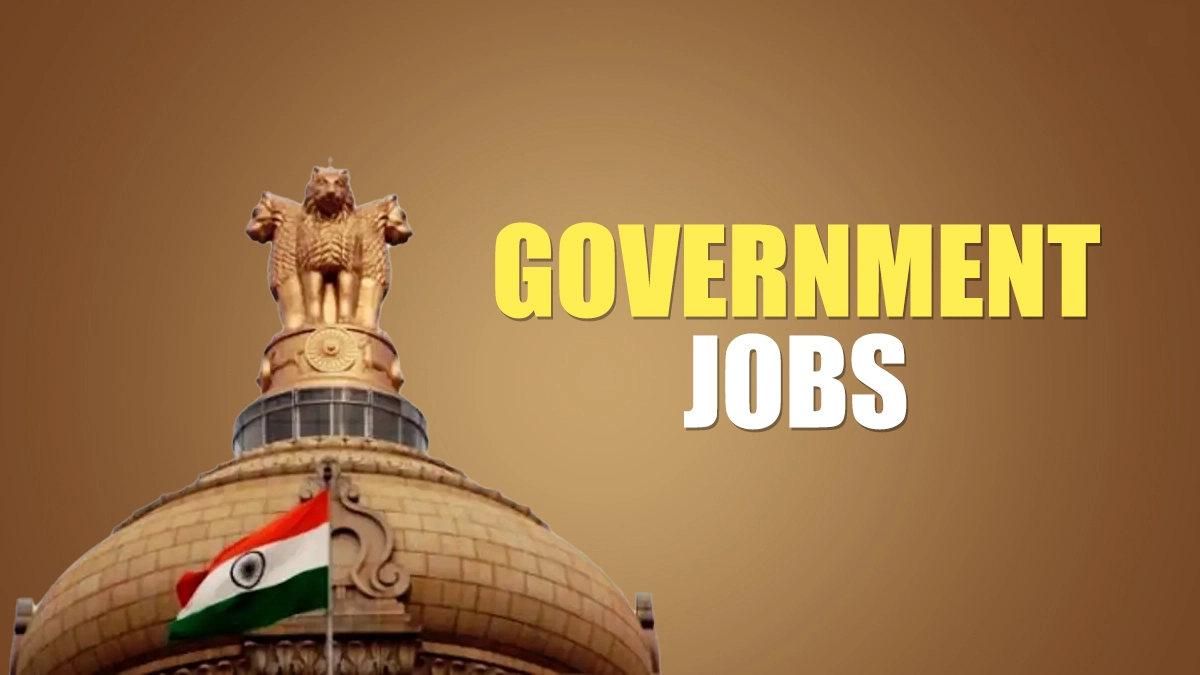
After completing graduation, many students dream of getting a stable and reputable government job. The Government of India offers a variety of opportunities for graduates in various fields like banking, railways, defense, administration, and public services. Govt Jobs Exam After Graduation. These jobs not only provide financial stability but also ensure long-term benefits, job safety, and respect in society. Understanding the available examinations, eligibility, and selection process can help you plan your preparation effectively and achieve your career goals.
Govt Jobs Exam After Graduation
After graduation, the government examination is conducted by various officers such as the Union Public Service Commission (UPSC), Staff Selection Commission (SSC), the Institute of Banking Personnel Selection (IBPS), the State Public Service Commission, and other government departments. Graduates from any stream -arts, science, or commerce -can apply for many positions based on their interests and qualifications.
Popular government exam after graduation
1. UPSC Civil Services Examination (IAS, IPS, IFS)
- Powered by: Union Public Service Commission (UPSC)
- Eligibility: Any graduation from a recognized university
- Age Limit: 21 to 32 years (with rest for reserved categories)
- Selection Process: Preliminary Examination → Mains Exam → Interview
- Highlights: It is one of the most prestigious exams in India. Successful candidates are appointed as IAS, IPS or IFS officers. The exam is difficult but provides the highest administrative post in the country.
2. Staff Selection Commission (SSC) Examination
- Popular exams: SSC CGL, SSC CHSL, SSC MTS
- Eligibility: Bachelor’s in any discipline (for CGL)
- Age Limit: 18 to 32 years
- Selection Process: Tier 1, Tier 2, Skill Testing/Interview
- Highlights: Banking jobs are preferred by many people due to attractive salary, increase in career and work-life balance.
3. Railway Recruitment Board (RRB) Examination
- Popular post: RRB NTPC, JE, Group D
- Eligibility: Graduate or Diploma
- Selection Process: CBT (Computer-based test) → Skill Test → Document Verification
- Highlights: Indian Railways is one of the largest employers. The railway examination attracted graduates seeking government jobs with stability and allowances.
4. State Public Service Commission (State PSC) Examination
- Powered by: Related State Governments (eg, MPPSC, UPPSC, RPSC)
- Eligibility: Bachelor’s in any field
- Selection Process: Prelims → Mains → Interview
- Highlights: State-level administrative jobs provide a good salary and opportunity to serve within your home state.
5. Defense Examination (CDS, AFCAT, CAPF)
- Powered by: UPSC and Indian Armed Forces
- Eligibility: Graduate (Specific Sections for Navy and Air Force)
- Selection Process: Written Exam → SSB Interview → Medical Testing
- Highlights: Defense examinations provide an opportunity to serve the nation as an officer in the Army, Navy, or Air Force with an excellent salary and benefits.
6. LIC and Insurance Sector Examination
- Popular Exam: LIC AAO, LIC Assistant, Niacl AO
- Eligibility: Bachelor’s in any discipline
- Selection Process: Prelims → Mains → Interview
- Highlights: These jobs provide a good salary package, bonus, and progress in the insurance sector.
7. Public sector undertaking (PSU)
- Conducted through: Gate or a separate recruitment test
- Popular PSUS: ONGC, NTPC, BHEL, IOCL
- Eligibility: Engineering or relevant degree
- Selection Process: Written Testing + Interview or Gate Score + Interview
How to prepare for government exams after graduation
1. Understand the course and pattern
Before starting the preparation, carefully review the course and exam pattern for your chosen exam.
2. Create a study schedule
Plan your routine to balance the hours of study, modification, and fake tests.
3. Use standard books and study materials
Refer to NCERTS, Lucent’s GK, and the subject-specific guide.
4. Practice fake tests and previous papers
It helps to improve time management and accuracy during the examination.
5. Stay updated with current affairs
Read newspapers and monthly current affairs magazines to be informed about national and international programs.
Benefits of government jobs after graduation
1. Job safety
Government jobs provide stability throughout their life and are less affected by economic ups and downs.
2. Attractive salary and allowances
Employees enjoy good salaries, allowances, and pension benefits.
3. Work-life equilibrium
Fixed working hours and holidays ensure a balanced personal and professional life.
4. Social honor and recognition
Government employees are honored for their service to the nation and society.
conclusion
After graduation, the doors opened to a rewarding and secure, a safe career in government job examination. Whether it is through UPSC, SSC, Banking, Railways, or State PSC, every examination provides unique opportunities for graduates. The key to success lies in smart preparation, coherent practice, and patience. Choose the exam that corresponds to your interests and career goals, and begin your journey towards a bright and stable future in the public sector.
FAQ
Q1. Which government exam is the best after graduation?
UPSC, SSC CGL, and banking exams are among the top options after graduating.
Q2. Can a Bachelor of Arts apply for a government exam?
Yes, Arts graduates can apply for examinations like SSC CGL, UPSC, and banking jobs.
Q3. Is there any exam after graduation without an interview?
Yes, interviews are not included in examinations like SSC CHSL, RRB NTP, C, and some bank clerk examinations.
Q4. How can I prepare for a government exam at home?
Make a study plan, use online materials, try fake tests, and stay consistent.
Q5. What is the average salary for government jobs after graduation?
The average early salary is from 25,000 to ₹ 80,000 per month, based on the department and the situation.
More Other Jobs
Genpact Job Vacancy Hyderabad for Freshers
Infosys Fresher Jobs in Bangalore
Amazon Work From Home Job Vacancy 2025
Note: We are also on WhatsApp, LinkedIn, Google News, and YouTube to get the latest news updates. Subscribe to our Channels. WhatsApp– Click Here, Google News– Click Here, YouTube – Click Here, and LinkedIn–Click Here. , Telegram – Click Here, and Twitter – Click here